
Earlier this month, Health and Human Services Secretary Robert F. Kennedy Jr. introduced the retooled Food Pyramid, which leans heavily on meat and dairy. It’s supposed to, as the Secretary likes to say, “Make American Healthy Again.”
But what if you’re an American that would get sicker eating that way?
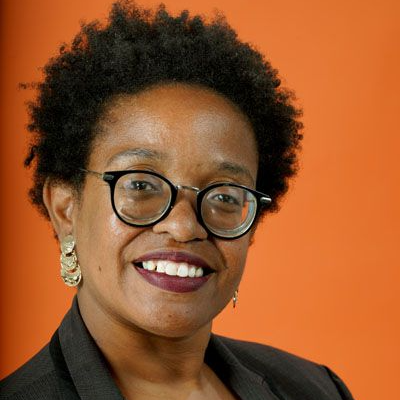
Meet my friend Rissa Miller, a former photo editor at the Baltimore Sun and the former executive editor of the Maryland-based Vegan Journal. Three decades ago, at the age of 20, a doctor decreed her Crohn’s disease diagnosis so severe that “I would never see 30, and to just go home and wait to die.”
But giving up and dying wasn’t an option for Miller, a self-described “very determined person” who followed the suggestion of a dietician to not remove her colon, as her doctor encouraged, but instead follow a plant-based diet.
This month, she celebrated her 31st anniversary as a vegan, or someone who eschews not only red meat, poultry, fish and pork, but any animal products, including dairy, eggs and honey. “I was looking at a shortened lifespan. What did I have to lose?”
Contrary to Kennedy’s assertions, you can not only survive but thrive eating that way, said Mark Rikfin, a vegan dietician in Baltimore. “It’s about balance,” said Rifkin, a vegan for four decades.
Read More
Mind you, I am not making a full-throated case for veganism. I was vegan for four years but now eat seafood occasionally. It’s just a reminder that one size seldom fits all when it comes to anything.
I haven’t eaten red meat regularly since my parents stopped when I was about 5. I avoid dairy because my menopausal body doesn’t like it. So I look at RFK Jr.’s pyramid and am afraid I’d slide right off it.
See, the HHS secretary didn’t just remake the pyramid, but brought it back from obscurity. The original version, created in 1992 and retired in 2011 in favor of the dinner dish-style MyPlate, had healthy grains at its base. It then emphasized, in declining order, a tier of fruits and vegetables, one of dairy, proteins like red meat, poultry, fish, eggs, and beans, and finally fats, oils and sweets.
The new pyramid, Kennedy said, focuses on real, whole food and avoids overprocessed foods, which were never part of the pyramid in the first place. It’s also flipped, so that meat is at the top, along with vegetables and fruits, to denote that they’re what people should be eating the most. Grains are at the bottom.
While the United States Department of Agriculture’s new guidelines do mention veganism and vegetarianism, they are, as Forbes put it, relegated “to the status of a secondary option” while “the guidance is couched in warnings about nutrient deficiencies.”
So does avoiding meat and animal products doom one to a life of being a weak, frail Victorian ghost? Nah. Have you seen me? Rifkin believes the new recommendations bow to the meat and dairy industry and Kennedy’s unscientifically based opinions.
“I was disappointed. I did not have expectations that it would be scientifically responsible,” he said. “I think he thinks he’s doing the right thing. He’s not malicious, just misled and highly misinformed.”
The suggestion to eat more meat comes as the price of beef and chicken have risen. But Secretary of Agriculture Brooke Rollins suggested that for about $3, Americans could have “a piece of chicken, a piece of broccoli, corn tortilla and one other thing.”
She didn’t specify what the fourth thing was, or where it was that cheap, but I think it’s sadness?
Rifkin’s recommendations resemble the MyPlate model, except vegan. It basically doubles vegetables, especially non-starchy ones, at the top of the plate.
On the bottom half of his plate are whole grains and natural starches like corn, and vegan proteins like tofu, beans, nuts and seeds. Fruits, healthy fats and oils and calcium sources like fortified plant milk are on side plates.

Rifkin said that the new pyramid’s emphasis on vegetables is one of the few things it gets right.
His concern is too little emphasis on fiber and too much on protein. The truth , Rifkin said, is that 85-95% of people are already getting enough protein in their diets, particularly men. He thinks that social pressure might steer people away from plant-based options. “You don’t want to show up to the chicken bash with chickpeas,” he said.
You can even overdo the plant proteins. “You don’t want to eat three cups of black beans for lunch,” he said. “You’ll probably have serious digestive discomfort.”
Rifkin suspects that less emphasis on grains is about cutting carbs and weight loss. “It’s like, ‘I can eat all the cheeseburgers I want, but take off that white flour bun, that’ll kill you.”
Rifkin also agrees with Kennedy that highly-refined foods or things like artificial colors aren’t ideal for your body or the planet. But a Twizzler once a month? It won’t kill you, he said.
But eating too many vegetables, say just broccoli for lunch, also isn’t healthy.
Rifkin isn’t as hardcore about veganism as he once was. Instead he starts with this: “Do you have fruits and vegetables on your plate?”
This brings me back to my friend Rissa Miller, who loaded up on those fruits and veggies and went from being sick and bloated on prednisone to healthy. “Within seven months, my gut was completely healed. My body healed itself and my tests confirmed that,” she said.
In other words, “Food saved me,” she said.
It’s just not meat and dairy.


Comments
Welcome to The Banner's subscriber-only commenting community. Please review our community guidelines.